Explore a subject through time
Archaeology timeline
Ancient sites, discoveries and the human past revealed.
39 moments in QuoAnno
Reading the timeline
A wider chronology
Archaeology studies the human past through material remains, landscapes and environmental evidence. Its own history includes spectacular finds, but also the gradual development of excavation, dating, conservation and interpretation methods.
The date of an archaeological milestone may describe a site's rediscovery, the beginning of an excavation or the recognition of an object's significance—not the age of the place or object itself. Modern archaeology also confronts collecting histories, ownership, repatriation and the rights of descendant communities.
What this category covers
Themes to follow
Sites and excavation
Fieldwork that records buildings, deposits and objects in their physical context.
Decipherment
Languages and inscriptions that reopened written evidence from earlier societies.
Scientific methods
Dating, imaging and environmental analysis that expand what remains can reveal.
Ethics and stewardship
Questions of ownership, conservation, repatriation and community authority.
Across the category
Timeline highlights
Systematic excavation begins at Herculaneum
Herculaneum is an ancient Roman town located in the modern-day comune of Ercolano, Campania, Italy.
Rosetta Stone is discovered
Its parallel texts were crucial to deciphering Egyptian hieroglyphs.
The Neanderthal 1 fossil is discovered
Feldhofer 1 or Neanderthal 1 is the scientific name of the 40,000-year-old type specimen fossil of the species Homo neanderthalensis.
The Antikythera mechanism is recovered
The Antikythera mechanism is an ancient Greek hand-powered orrery built in the 2nd century BC and discovered in 1901.
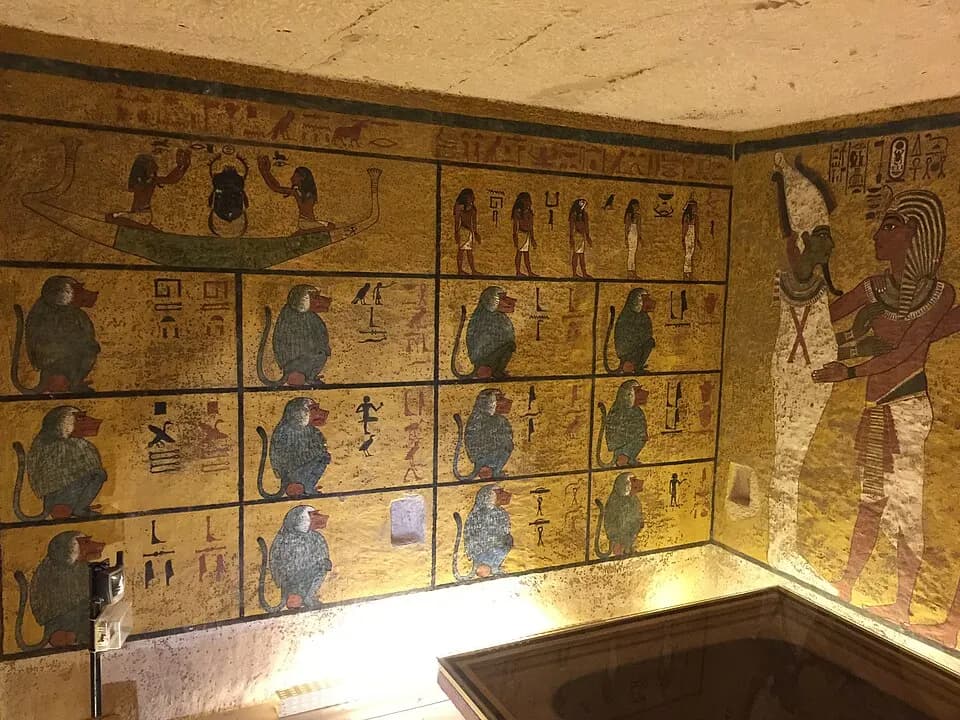
Tutankhamun’s tomb is discovered
The discovery transformed public fascination with ancient Egypt.
Excavations reveal Mohenjo-daro
'Mound of the Dead Men'; Urdu: موئن جو دڑو ) is an archaeological site in the Larkana District of Sindh, Pakistan.
Terracotta Army is discovered near Xi’an
Thousands of life-size terracotta soldiers are associated with Qin Shi Huang’s tomb complex.
Ötzi the Iceman is discovered
Ötzi lived more than five thousand years ago.
Continue researching
Further reading
These independent reference works and institutions provide broader context. QuoAnno links to them for further reading; the summaries on this page are original and are not copied from those sources.
Test your chronology
